
Training to Failure: Smart Strategy or Overkill?
Summary
Training to failure means doing reps until you can’t do another with good form. It can help build muscle—but only when used wisely. You don’t need to go all-out every set. Save it for the right exercises and the right moments to avoid burnout and injury.
Should You Train to Failure Every Set?
Training to failure has a certain hardcore appeal. But is it necessary—or even smart—if your goal is muscle growth or strength?
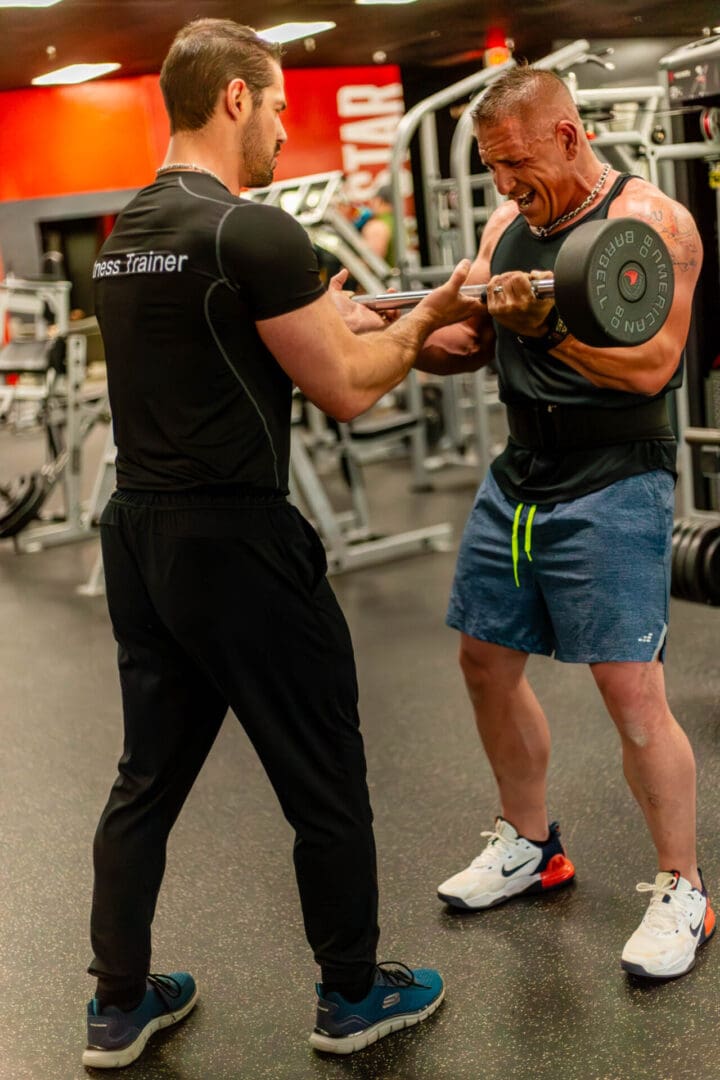
You’ve probably seen it: a lifter grinding out that last rep, face red, form falling apart, yelling, “One more!”
Let’s break down what going to failure really means, what the science says, and when (and when not) to use it.
What Is Training to Failure?
Training to failure means performing an exercise until you physically can’t complete another rep with good form.
Example: You’re doing bench press and barely push out your 10th rep—your muscles are toast, and you couldn’t do an 11th even if you wanted to.
Does Training to Failure Help Build Muscle?
Yes—and no.
Studies show that training close to failure is beneficial for hypertrophy (muscle growth), but you don’t have to reach absolute failure on every set to see results.
In fact, consistently stopping 1–2 reps shy of failure often provides similar benefits with much less fatigue.
The Downside of Going to Failure Every Set
- Increased risk of injury due to breakdown in form
- Greater central nervous system (CNS) fatigue
- Longer recovery time
- Lower performance in later sets or future workouts
When Should You Use Failure Training?
Here are smart times to incorporate failure training into your workouts:
✅ Best Times to Train to Failure
- On your final set of an isolation exercise (like curls or tricep pushdowns)
- When you’re using machines that reduce injury risk
- During short-term intensification blocks (4–6 weeks)
- If you’re experienced and can maintain good form under fatigue
🚫 Times to Avoid pushing to failure
- On heavy compound lifts like squats, deadlifts, or barbell presses
- Every set of every workout
- If you’re new to training or recovering from injury
- When doing high training volume or training multiple days per week
What the Research Says
A 2016 study in Frontiers in Physiology found that training to failure can stimulate hypertrophy—but stopping just short of it can be equally effective.
Another study published in the Journal of Strength and Conditioning Research showed that training near failure was just as effective for strength gains—and allowed lifters to perform more total volume due to improved recovery.
The Smart Approach to Failure Training
- Train to failure selectively—not constantly
- Keep 1–2 reps in reserve (RIR) on most sets, especially earlier in your workout
- Focus on quality volume, good form, and progressive overload
- Save failure for intentional moments, not every set
Final Thoughts: Train Hard, But Train Smart
You don’t need to crush yourself to build muscle. Going to failure sometimes can be a powerful tool—but going to failure all the time is a fast track to burnout.
Train with purpose. Train with precision. Push when it counts—and pull back when it’s smart.
Need Help Building a Smarter Training Plan?
Want a personalized plan that balances intensity and recovery—while still pushing you toward your goals?
Let’s work together.